



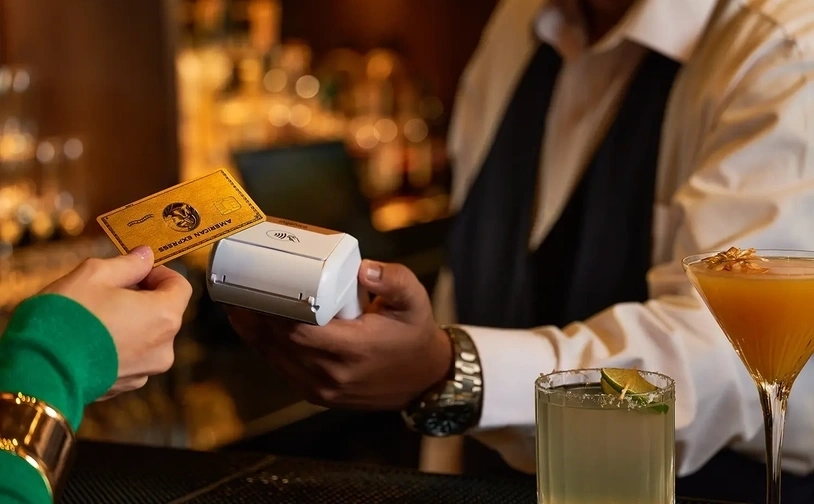
“Greater use of ecommerce is here to stay, because there’s no getting away from the fact that online shopping is convenient,” according to Scott Frisby, Head of Strategy for Elavon Europe. “In the past, consumers might have had security concerns about online shopping or found it confusing, but most people have generally positive experiences.”
“For consumers, this means more choice and convenience around shopping. For retailers, though, this means a challenge,” adds Scott.
“They have to manage several methods and processes for ordering, delivery and payment.”
“Although there’s a real desire for the social and recreational aspects of high-street shopping, it’s clear that online, in-app and remote shopping are permanent features of the retail landscape. A mix of both, which is omnichannel retail, is the way forward.”
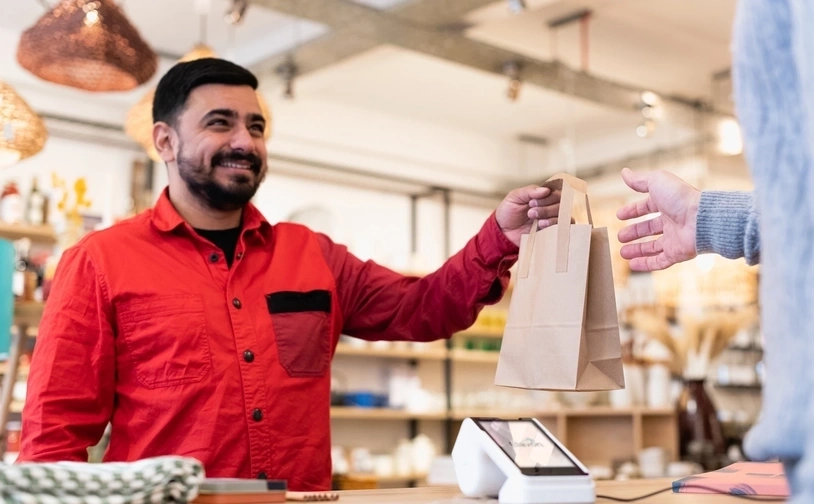
When it comes to hybrid ways of trading, online platforms are the ‘shop windows’ of businesses. As the habits of consumers span multiple channels, from physical stores and in-person experiences to social media and online browsing, cohesion between the physical world and the digital is crucial.
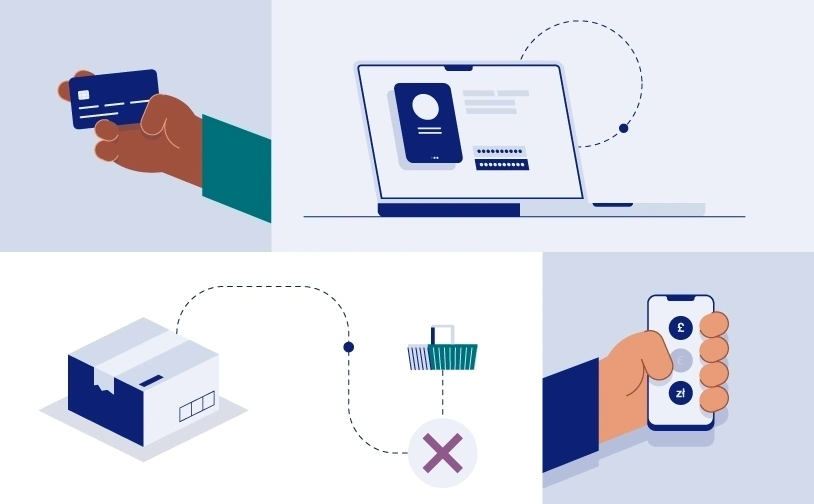
So, what do we mean by omnichannel? It includes any and all of these scenarios:
- Shoppers compare items online, across different retailers, but buy locally using ‘click and collect’ to avoid delivery costs associated with online shopping
- They buy items online but return in-store for refund or exchange
- Shoppers browse online but prefer to ‘try and buy’ in-person
- They speak with a sales agent in-store and go home to consider the information, before purchasing online
- Pay a deposit in-app for a table booking in a restaurant but settle-up in-person after eating
- Book and pay for a room on a hotel website, but pay for extra services in-person during the stay
- Buy a ticket to a concert but pay for drinks at the bar during the interval
Simon Tune, Commercial Director for Elavon Europe, said consumers are comfortable with change and are making the most of what’s available.
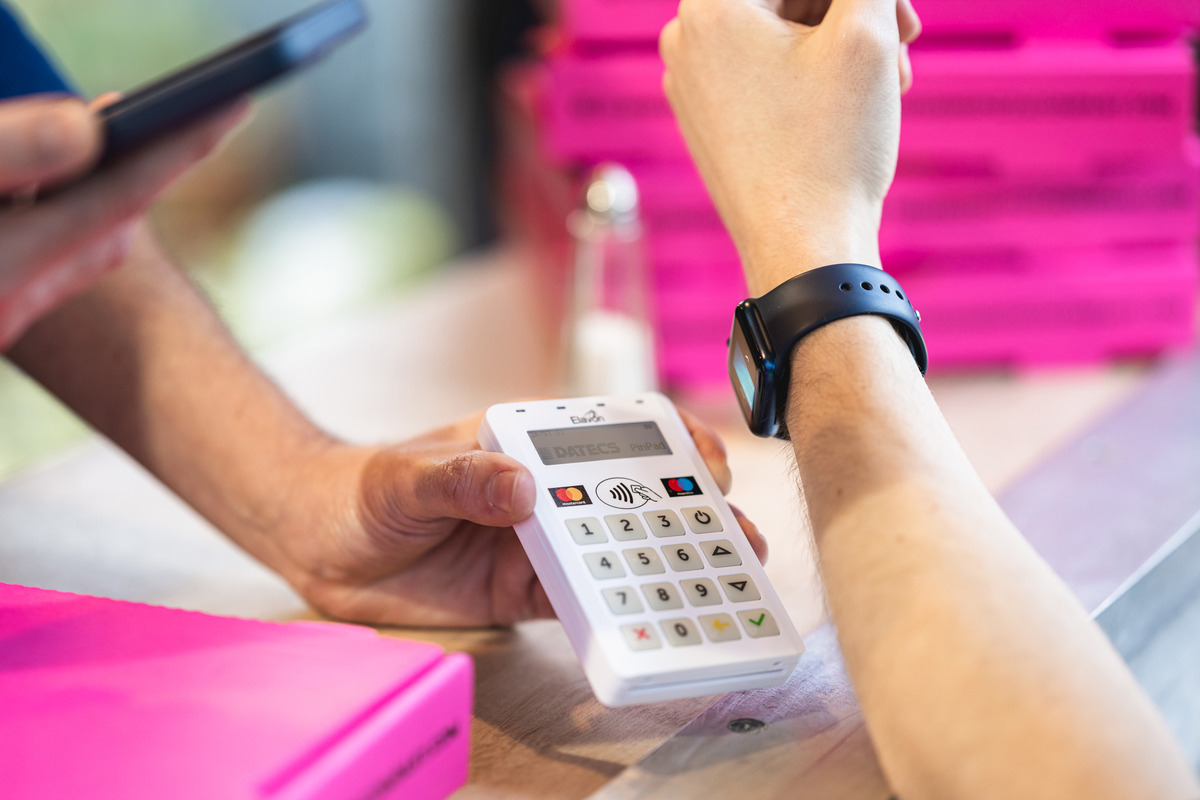
“Interestingly, the most popular payment methods being used show consumers are embracing the full range of payment types available: from face to face in-person payments, to online and omnicommerce,” he says.
“This in itself offers reassurance that whatever business environment you’re operating in, your customers are accepting change and progression.
“In fact, it’s now clear that in the hospitality sector, omnicommerce isn’t an option any more. A hotel owner needs to be able to take bookings and payments at every step of your guests’ journey, from discovery to check-out.”
Hospitality isn’t the only sector where omnicommerce is no longer an option. Businesses like travel, entertainment or experiences need to take bookings and payment online, or in an app, but then upsell in person.
This, then, is omnichannel in action: a multichannel approach to payments that provides a frictionless, seamless consumer journey, both online and in-person. It focuses on the entire purchasing journey, no matter from where the customer engages with the business.
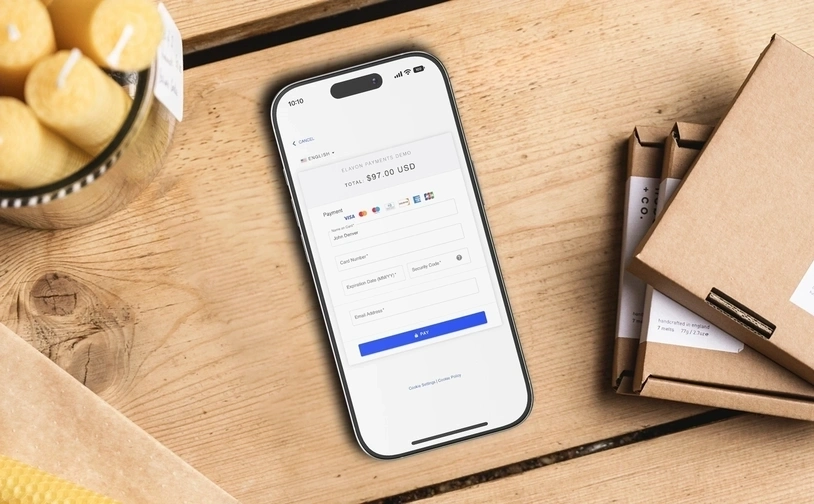
Mobile ecommerce
The physical shopping experience is increasingly connected and interactive – and the internet, once pitched as the great enemy of bricks-and-mortar retail, plays an important role in driving people to stores. At the forefront is mobile ecommerce, as consumers use their phones to shop.
In 2024, smartphones accounted for nearly 80% of all retail website visits worldwide while one study suggested 68% of travellers research their trip on mobile device.
Mobile – whether using apps, websites or social media – connects brands and consumers across the consumer journey, empowering shoppers across entire shopping journeys, connecting online and offline channels and bridging shopping and social interactions.
‘Bricks and clicks’ apps, which combine physical and online operations into a single retail experience, are perhaps better placed than digital-native apps, such as Amazon or Shein, to meet the needs of these customers who want the best of both worlds. They bridge the gap between the immersive experience of being in a shop and the instant digital gratification of using applications.
“Even in the recent past, retailers could trade as an online-only or a face-to-face-only brand. That’s less common now and that’s why the concept of omnichannel has moved from the passenger seat to take over at the wheel,” Scott explains. “Omnicommerce is the norm for browsing, purchasing and post-sales servicing.
“What’s less clear is how this will look in different sectors of the retail landscape. Fashion brands will have a different experience than hardware shops. Many consumers will be determining their own personal mix of face-to-face shopping versus ecommerce and the reta
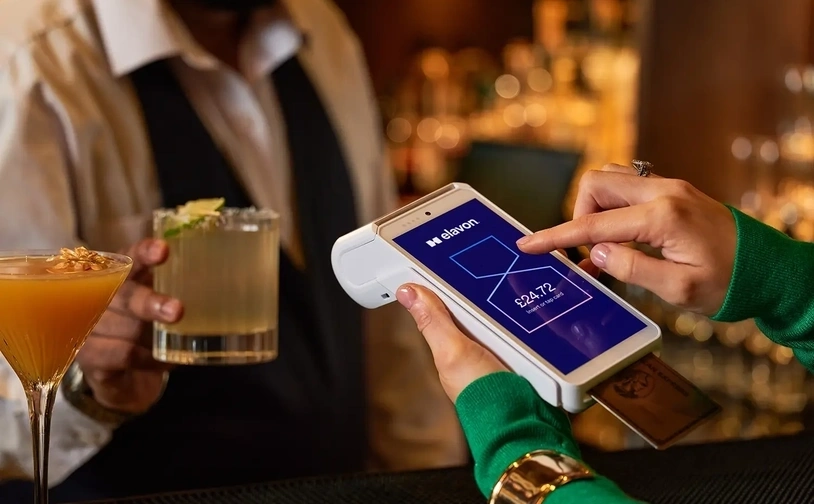
Investing in centralised payment and order-management systems is also a must – don’t forget that your back-end operations affect your customers’ shopping experience, too. Payments, inventory and reporting data must be synched across all retail platforms to offer customers a cohesive shopping experience.
So, as consumer behaviour has changed, their expectations have increased. In this omnichannel environment, businesses must anticipate not only what their customer needs, what they want – and what they don’t even know they want, until they encounter it. What blockers could potentially cause friction in this blended model? And what extra services can you offer to attract new customers and keep regular customers coming back?




Helping thousands of customers around the world grow their business through payments
Customer service and support
We’re here to help!
Customer service: 0345 850 0195 (menu option 2)
Telephone: Monday to Friday, 8am to 5pm
Chat: Monday to Friday, 8am to 6pm
Elavon technical support: 0818 20 21 30 (menu option 1)
24 hours a day, 365 days a year
Opayo product support: 0191 313 0299
24 hours a day, 365 days a year
Copyright © 2026 | U.S. Bank Europe DAC. Registered in Ireland with Companies Registration Office. The liability of the member is limited. United Kingdom branch registered in England and Wales under the number BR022122.
U.S. Bank Europe DAC, trading as Elavon Merchant Services, is a credit institution authorised and regulated by the Central Bank of Ireland. Authorised by the Prudential Regulation Authority. Subject to regulation by the Financial Conduct Authority and limited regulation by the Prudential Regulation Authority. Details about the extent of our regulation by the Prudential Regulation Authority are available from us on request.
Helping thousands of customers around the world grow their business through payments
Customer service and support
We’re here to help!
Customer service: 0345 850 0195 (menu option 2)
Telephone: Monday to Friday, 8am to 5pm
Chat: Monday to Friday, 8am to 6pm
Elavon technical support: 0818 20 21 30 (menu option 1)
24 hours a day, 365 days a year
Opayo product support: 0191 313 0299
24 hours a day, 365 days a year


Copyright © 2026 | U.S. Bank Europe DAC. Registered in Ireland with Companies Registration Office. The liability of the member is limited. United Kingdom branch registered in England and Wales under the number BR022122.
U.S. Bank Europe DAC, trading as Elavon Merchant Services, is a credit institution authorised and regulated by the Central Bank of Ireland. Authorised by the Prudential Regulation Authority. Subject to regulation by the Financial Conduct Authority and limited regulation by the Prudential Regulation Authority. Details about the extent of our regulation by the Prudential Regulation Authority are available from us on request.

Essential cookies enable core functionality such as page navigation and access to secure areas. The website cannot function properly without these cookies; they can only be disabled by changing your browser preferences. Please see our Cookie Policy for further information.
Performance cookies help us to improve our website by collecting and reporting information on its usage (for example, which of our pages are most frequently visited).
These cookies and similar technologies gather information about your browsing habits. They remember that you've visited a website and share this information with other organisations, such as advertisers and platforms on which we advertise. They do this in order to provide you with advertisements that are more relevant to you and your interests. These cookies and similar technologies gather information about your browsing habits. They remember that you've visited a website and share this information with other organisations, such as advertisers and platforms on which we advertise. They do this in order to provide you with ads that are more relevant to you and your interests.
Find out more about cookies on https://www.allaboutcookies.org