
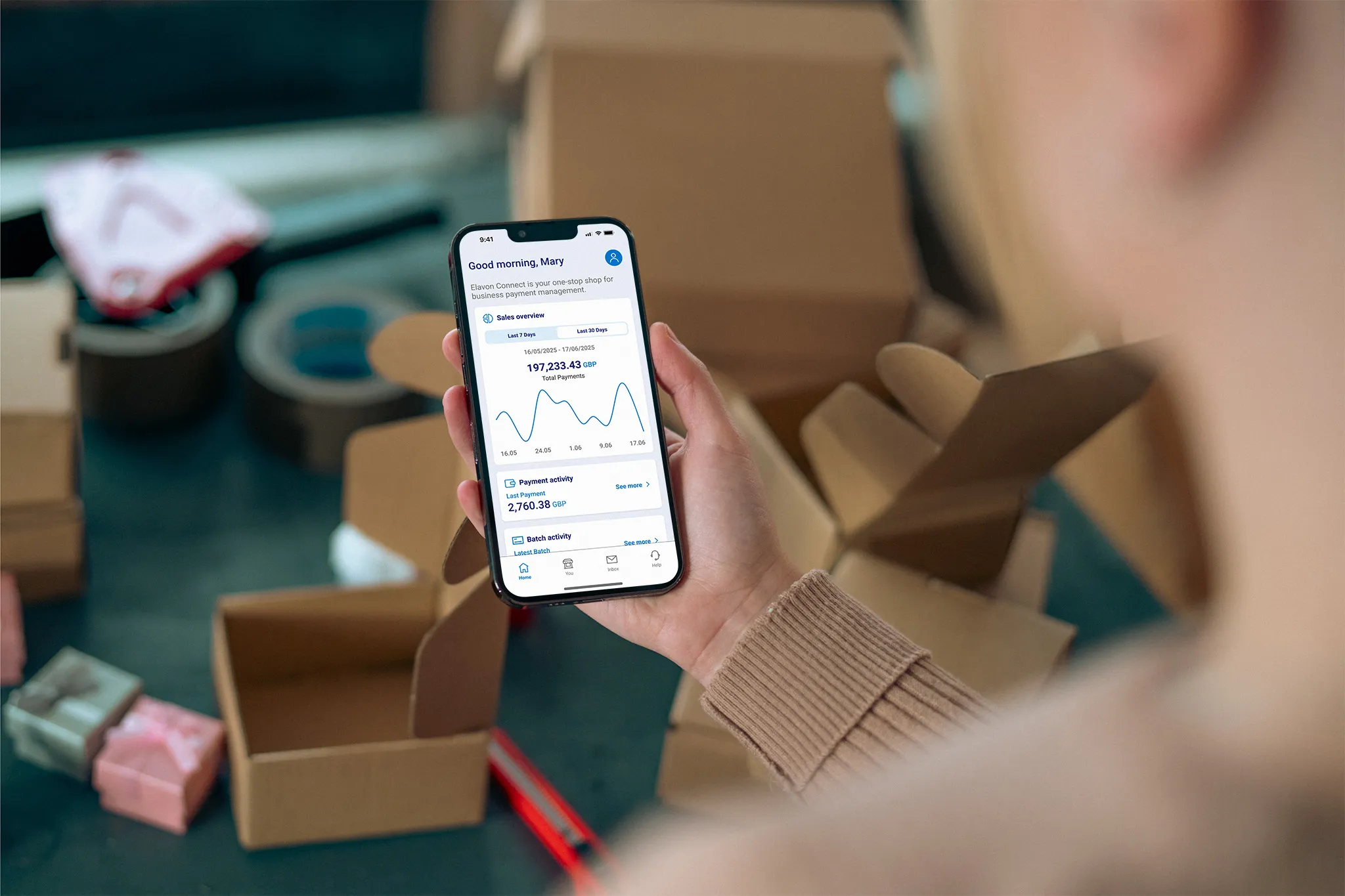
Connect payments with tills, ecommerce, stock, customer records or even weighing and pricing systems.
Helps with: fewer manual steps, clearer reporting, better links between sales and payments


Embedded payments bring payment acceptance into the software, platform or workflow a business already uses. Instead of being treated as a separate step, payments become part of everyday tasks such as taking orders, collecting money, checking transaction status, reporting and reconciliation.
Bring payments closer to the way your customers
already work, helping create smoother experiences,
simpler processes and clearer payment visibility.
Connect payments with tills, ecommerce, stock, customer records or even weighing and pricing systems.
Helps with: fewer manual steps, clearer reporting, better links between sales and payments
Connect payments with bookings, deposits, room charges, service charges or events.
Helps with: easier tracking, less manual matching, clearer payment records
Build payments into client portals, case-management systems or invoice workflows.
Helps with: payment status, fewer manual checks, easier reconciliation
Make payments part of checkout, order management and customer communication.
Helps with: smoother checkout, more payment choice, clearer order and payment reporting
Connect payments with invoices, reporting, reconciliation and cash-flow management.
Helps with: less manual reconciliation, clearer payment status, better finance reporting
Connect payments, reporting and customer workflows inside the platform.
Helps with: easier setup, clearer payment records, a more useful platform
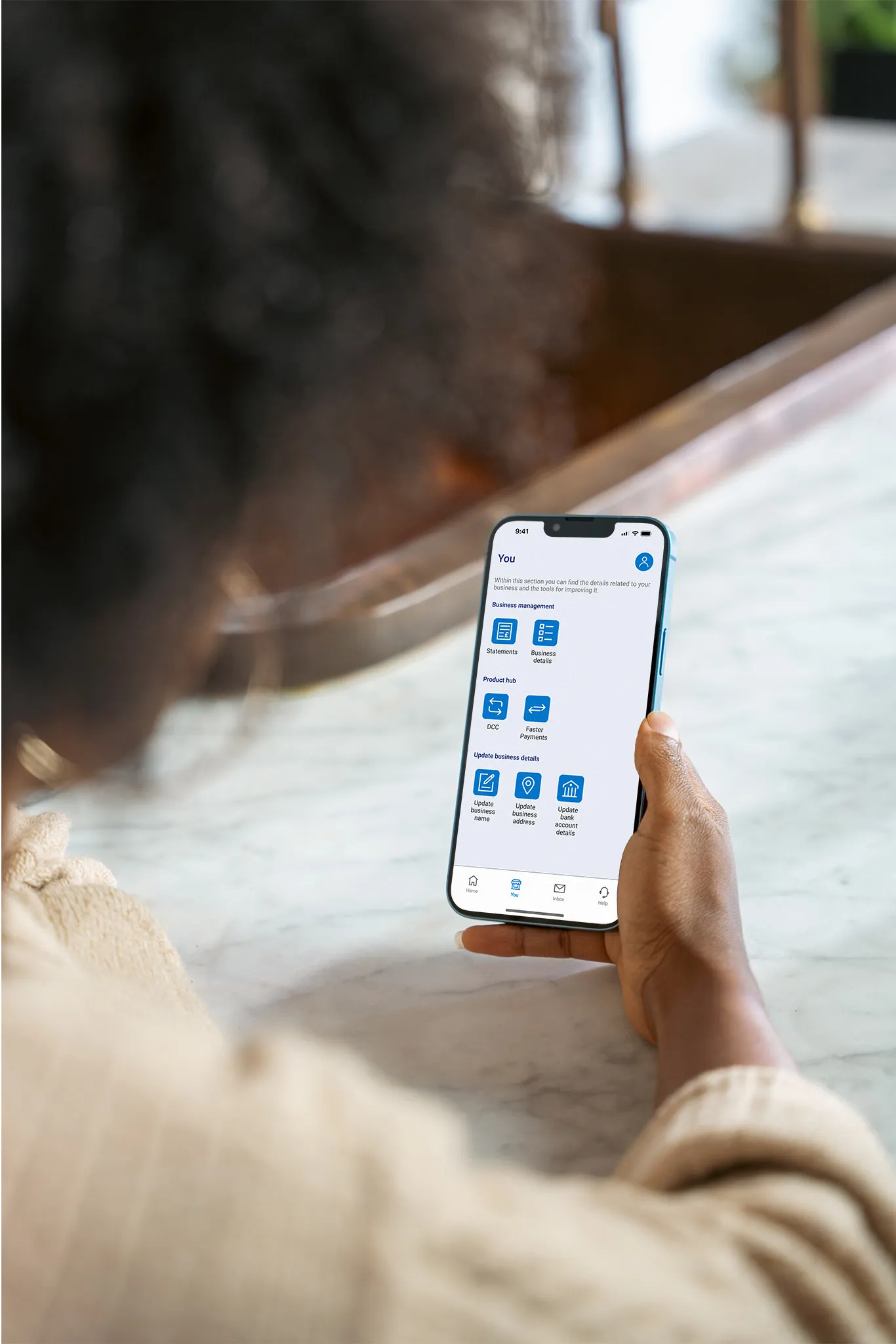
When payments become part of the way customers already work, they can spend less time switching between systems and more time running their business. For platforms, that can help improve retention, deepen customer relationships and make your platform more valuable over time.
Embedded payments can help:

Helps platforms add payment acceptance to online, ecommerce and software-based services.

Connect payments into the platforms, apps and systems your customers use.

Help customers take payments reliably, backed by more than 30 years of industry experience.

Bring payment status and reporting closer to the systems customers use every day.

Combine secure payment technology with expert support from people who can help when it matters.
Give your customers a simpler way to accept payments within the software they already use





“WooCommerce has helped me with setting up a smooth shopping cart and shipping experience, so it’s fast, simple and easy for customers… I trust WooCommerce and EPG to take care of all my transactions.”

“With Elavon, we’re empowering our customers with seamless payment solutions. The collaboration enhances the power of our Salesforce payments app, delivering even more value to businesses that rely on it.”
Find answers to common questions about embedded payments, how they work and what they could mean for your platform.
Embedded payments bring payment acceptance into the software or systems people already use, so payments become part of everyday tasks like selling, collecting, reporting and reconciling.
Embedded payments work by connecting payment capability into a platform, app, ecommerce checkout or business system. This means payment can happen closer to the task the customer is already doing, such as placing an order, paying an invoice, managing a booking or checking payment status.
Elavon Payment Gateway, or EPG, supports online, ecommerce and software payment journeys, helping platforms add payment acceptance to online, ecommerce and software-based services.
Yes, where the setup supports it. Embedded payments can bring payment status, records and reporting closer to the systems customers rely on to manage their work, helping reduce manual checks and separate reconciliation steps.
Embedded payments can help create a smoother customer experience by reducing friction and keeping payments inside the workflow customers already use. For software providers, they can also create new revenue opportunities, strengthen customer relationships and make the platform more valuable over time.
No. Embedded payments can help platforms make payments part of their customer experience while relying on a payments partner for the technical, security, compliance and processing work behind the scenes.
Look for payments expertise, integration support, security, compliance, reporting, reliable processing and support from a team that understands how payments fit into everyday business systems.
Start by talking to Elavon about your platform, your customers and where payments currently sit in their process.

Helping thousands of customers around the world grow their business through payments
We’re here to help!
Customer service: 0345 850 0195 (menu option 2)
Telephone: Monday to Friday, 8am to 5pm
Chat: Monday to Friday, 8am to 6pm
Elavon technical support: 0818 20 21 30 (menu option 1)
24 hours a day, 365 days a year
Opayo product support: 0191 313 0299
24 hours a day, 365 days a year
Copyright © 2026 | U.S. Bank Europe DAC. Registered in Ireland with Companies Registration Office. The liability of the member is limited. United Kingdom branch registered in England and Wales under the number BR022122.
U.S. Bank Europe DAC, trading as Elavon Merchant Services, is a credit institution authorised and regulated by the Central Bank of Ireland. Authorised by the Prudential Regulation Authority. Subject to regulation by the Financial Conduct Authority and limited regulation by the Prudential Regulation Authority. Details about the extent of our regulation by the Prudential Regulation Authority are available from us on request.
Helping thousands of customers around the world grow their business through payments
We’re here to help!
Customer service: 0345 850 0195 (menu option 2)
Telephone: Monday to Friday, 8am to 5pm
Chat: Monday to Friday, 8am to 6pm
Elavon technical support: 0818 20 21 30 (menu option 1)
24 hours a day, 365 days a year
Opayo product support: 0191 313 0299
24 hours a day, 365 days a year
Copyright © 2026 | U.S. Bank Europe DAC. Registered in Ireland with Companies Registration Office. The liability of the member is limited. United Kingdom branch registered in England and Wales under the number BR022122.
U.S. Bank Europe DAC, trading as Elavon Merchant Services, is a credit institution authorised and regulated by the Central Bank of Ireland. Authorised by the Prudential Regulation Authority. Subject to regulation by the Financial Conduct Authority and limited regulation by the Prudential Regulation Authority. Details about the extent of our regulation by the Prudential Regulation Authority are available from us on request.

Essential cookies enable core functionality such as page navigation and access to secure areas. The website cannot function properly without these cookies; they can only be disabled by changing your browser preferences. Please see our Cookie Policy for further information.
Performance cookies help us to improve our website by collecting and reporting information on its usage (for example, which of our pages are most frequently visited).
These cookies and similar technologies gather information about your browsing habits. They remember that you've visited a website and share this information with other organisations, such as advertisers and platforms on which we advertise. They do this in order to provide you with advertisements that are more relevant to you and your interests. These cookies and similar technologies gather information about your browsing habits. They remember that you've visited a website and share this information with other organisations, such as advertisers and platforms on which we advertise. They do this in order to provide you with ads that are more relevant to you and your interests.
Find out more about cookies on https://www.allaboutcookies.org